
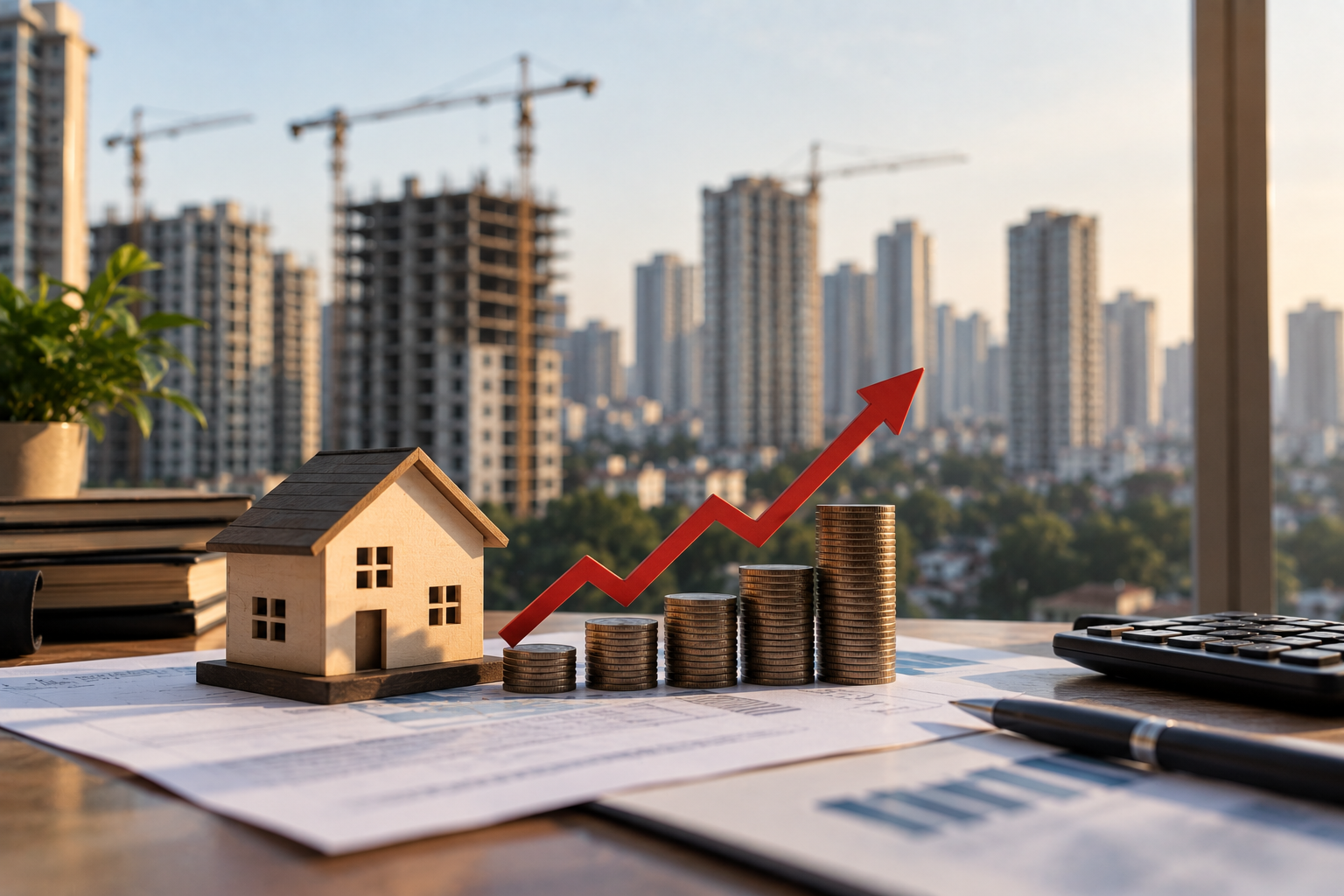
The housing market poses a perplexing conundrum for both purchasers and industry professionals: home sales have declined significantly year over year, while prices continue to rise. At first glance, this appears counterintuitive. Conventional wisdom indicates that as fewer homes are sold, prices should fall. However, the current real estate sector is driven by a complicated set of forces that defy typical market predictions.
At the heart of this tendency is a fundamental issue: a lack of inventory. The market continues to face a persistent housing scarcity, which has continued and intensified since the pandemic. Builders have encountered ongoing hurdles, including rising material costs and labor shortages, which have hampered new development. Additionally, current homeowners are hesitant to offer their residences. Many of them locked in historically low mortgage rates during the pandemic-era boom and are now afraid to move up or down in a higher-rate market. This combination has resulted in a highly restricted housing supply, creating pressure to maintain prices high even as sales decline.
Inflation has also been a factor. Although overall inflation rates have begun to decline, the cost of building a home remains high. Everything from cement and steel to compliance and labor is more expensive now, leaving developers with little alternative but to pass these expenses on to customers. Rather than selling at lower margins, several developers are delaying projects entirely, exacerbating the inventory bottleneck. As a result, the homes that do make it to market are priced at a premium, keeping average price points high overall.
Another significant issue is the shifting demographics of the consumers. Institutional investors and major real estate funds have become more involved in the market, purchasing buildings as income-generating assets rather than residences. This wave of bulk buying has restricted supply for normal homeowners, increasing competition and driving up prices even as overall sales volumes decline. At the same time, individual purchasers have become more discerning, focusing on high-quality residences in prime areas. While this move has resulted in fewer transactions, it has also resulted in higher prices, distorting average market figures.
Mortgage dynamics play an important role in this scenario. The current interest rate environment has effectively frozen many homeowners in place, resulting in what economists refer to as a “rate lock” impact. Those who refinanced or purchased homes at 2-3% mortgage rates in prior years are hesitant to sell now that rates have doubled. This keeps existing inventory low, causing additional scarcity. Even with lower sales activity, new buyers’ fear of missing out on long-term appreciation—particularly in rising urban or tech-centered markets—continues to drive price resilience.
Regionally, the picture is considerably more complex. While some suburban and rural markets are cooling, many urban areas are rebounding. Cities with significant job growth, infrastructure investment, and cultural appeal are regaining popularity. These localities are experiencing growing prices despite dropping national sales data, indicating that the market is rebalancing rather than retreating.
Finally, consider the psychological issue. Sellers are still fixated on the valuations they saw at the zenith of the market boom. Few people are prepared to accept lower offers unless compelled by situation. On the other hand, buyers remain cautiously optimistic, expecting home values to hold or rise in the long run. Despite decreased transaction volume, this cautious confidence on both sides results in a slow-moving, high-priced market.
Finally, the housing market in 2026 is not crashing; rather, it is developing. The drop in sales suggests a market in transition, not in free fall. Prices remain resilient due to underlying structural difficulties, investment behavior, and consumer psychology. Understanding these underlying dynamics is critical for policymakers, investors, and homebuyers alike as they navigate what remains one of the most complex and influential sectors of the economy.
Stay informed with IndexTap for the latest updates on Mumbai’s infrastructure and real estate developments.